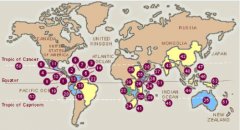
“Producing Countries” search results (4000)
Factors affecting the price increase of coffee futures in coffee beans trading
Coffee futures trade coffee beans, and futures are both an investment and an increase in coffee. The increase in coffee lies not only in the origin, good or bad, but also for many piecemeal reasons. In the coffee futures market, the main factors affecting the price of coffee beans can be summarized as follows: 1. Changes in supply: supply and demand have a certain impact on prices, changes in supply
2015-01-07 Coffee beans trading coffee futures prices increases factors
Basic knowledge of fine coffee grading of raw coffee beans
At present, there are three main rating criteria for raw coffee beans, and different countries adopt different rating methods according to their own production conditions and national conditions (not all coffee producing countries adopt the same method). Let's introduce these three popular rating methods. One: the reason for the emergence of such a classification standard according to the altitude of the coffee producing area is mainly because of the high level.
2015-04-17 Boutique coffee basics common sense raw beans grading at present
Kenyan coffee-producing countries with rich conditions for growing coffee beans
The highest temperature of the year is 22: 26 ℃ and the lowest is 10: 14 ℃. These conditions are very suitable for the excellent growth of Arabica beans. And high-quality Arabica coffee beans, its suitable growth conditions are on the slope of 900m ~ 2000 m above sea level in the tropics, the suitable growth temperature is 1524 ℃, the higher humidity, the annual rainfall is not less than 1500 ml, the soil is fertile and suitable for acidity and alkalinity.
2016-06-17 Ownership abundance cultivation coffee beans conditions Kenya coffee producing country year-round most
Coffee beans are also divided into "aristocratic and poor classes". Evaluation of the quality of coffee
Coffee quality Evaluation Coffee producing countries have their own grading methods and quality evaluation standards in order to grade their harvested coffee, of course, there are also famous coffee mochas. Like Yemen in Matali, there are no countries with uniform export specifications and no coffee culture of the same style. If there are common evaluation criteria for coffee producers all over the world, it will be convenient for buyers.
2015-10-20 Coffee beans also have aristocracy poor class distinction quality evaluation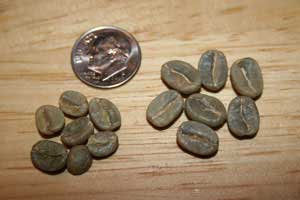
Knowledge points of Coffee Raw Bean: the concept of Fine Coffee Specialty Coffee (1)
The traditional classification of coffee beans is usually based on the classification criteria defined by the coffee producing countries, and then agreed to become common in the international market and traded under such a tacit understanding. For a long time, coffee producing countries have their own classification and evaluation criteria for coffee, which serve as the pricing guidelines in the coffee market. But slowly in recent years, coffee consuming countries have begun to demand unified evaluation criteria.
2015-12-18 Coffee raw beans knowledge essentials boutique Specialty Coffe
Introduction to the producing countries of high-quality coffee beans from Tanzania
Most of the Tanzanian beans are grown in Mr. Kilimanjaro and Mt, near the northern Kenyan border. The coffee producing areas around Meru, often referred to as "Clemangaro", are occasionally named after the distribution center Moshi or Arusha. In addition, a little washed Arabica beans are produced on the south side of the border.
2015-03-30 Tanzania origin coffee boutique coffee beans country of production introduction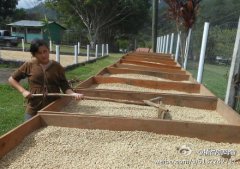
Coffee producing countries in Tanzania and Africa
Due to political instability and rampant diseases and insect pests, the coffee industry in Tanzania has been damaged, leading to a decline in the overall level of coffee and instability in quality, which in turn lead to lower prices, which are usually the result of a further decline in the coffee industry. What's more, it is estimated that more than 12% of the Arabica coffee grown in northern Tanzania from 1969 to 1985 was smuggled.
2015-03-26 Tanzania coffee Africa coffee beans producing countries introduction due to political instability
Coffee Law of the World Cup all the coffee-rich countries in the World Cup won.
The so-called coffee law means that all coffee-rich countries participating in the World Cup have won so far. After Brazil and Mexico, Colombia also won, and the coffee-producing countries kept winning. With the announcement of the results of the World Cup, the magic of coffee continues. If Brazil is invincible, then it does not have a super battle.
2015-09-19 World Cup Coffee Law all abundant participate win
High-quality coffee bean producing countries introduce coffee from Honduras
Coffee in Honduras is imported from El Salvador. Coffee production in Honduras increased significantly after the Brazilian frost in 1975, more than tripling in 20 years. Coffee producing area in Honduras: as in other places, the coffee grade in Honduras depends on altitude: coffee grown at 700-1000 meters above sea level is medium, 1000-1000 above sea level.
2015-05-14 Boutique coffee beans country of origin introduction Honduras coffee Hond
The main factors affecting the price of coffee beans can be summarized as follows.
Coffee futures trade coffee beans, and futures are both an investment and an increase in coffee. The increase in coffee lies not only in the origin, good or bad, but also for many piecemeal reasons. In the coffee futures market, the main factors affecting the price of coffee beans can be summarized as follows: 1. Changes in supply: supply and demand have a certain impact on prices, changes in supply
2015-10-17 Coffee futures prices increases factors influence coffee beans main general induction
The coffee-producing country of Jamaica, one of the countries with low coffee production in the world, introduces
Blue Mountain Coffee can maintain today's top status, but also closely related to the local business policy. In 1932, Jamaica adopted a policy to encourage coffee production to reduce the island's dependence on sugar exports. Unlike most coffee producing countries, the local government does not plant a large number of high-yield and poor-quality coffee in order to increase the output value, but takes the quality as the best, preferring to sacrifice the coffee production.
2016-06-29 In the world coffee production small country one Jamaica producing country introduction
Introduction of Bolivian Coffee producing countries with the name of Alpine country
In boutique coffee, Bolivian coffee is described in this way; Bolivia, located on the southeast side of Peru, is an alpine country. La Paz (capital) is 3660 meters above sea level. Coffee cannot be grown in such a cold place. But YUNGAS, northeast of La Paz, borders the Amazon basin. The altitude is a little lower. About 1500-2500 meters. The average annual temperature is about 10-15 degrees without frost damage in winter. The fertile soil is Bolivid.
2016-06-29 Alpine country name Bolivia Coffee producing country introduction boutique Learning
Coffee leaf rust has caused serious losses in Central American coffee producing countries.
Coffee leaf rust, which begins to spread among coffee trees as small yellow spots, will soon turn coffee leaves into a pile of dead leaves. In five years, the plague among coffee trees reduced coffee production in Central America to an all-time low, affecting not only the price of coffee, but also the labor balance in the region, forcing many local citizens to emigrate illegally to the United States. Since 2
2015-01-12 Coffee leaf rust rust once caused Central America producing country loss serious coffee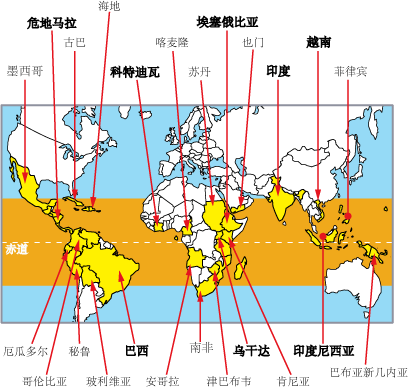
Coffee Common sense Coffee grading system summarizes the selection of classification methods in various countries to determine the altitude of coffee origin
First of all, we should know clearly that the factors that ultimately determine the flavor of coffee come from the environment of its producing area, the way of treatment and the quality of raw beans. I believe that without better raw beans, no matter how good the roaster will not bake amazing coffee. Of course, when good coffee beans are in the hands of baristas, baristas should fully understand their characteristics and then add icing on the cake.
2016-04-18 Coffee common sense grading system summary countries methods selection determination origin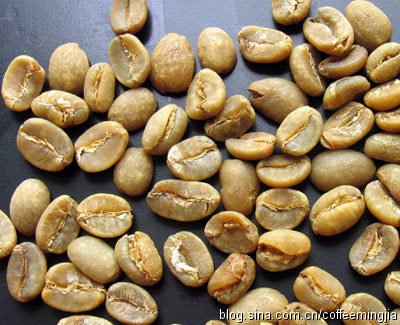
Introduction to the main points of the knowledge of raw coffee beans: a detailed explanation of the classification of raw coffee beans
The last step in the processing of raw coffee beans is grading, so what are the grading methods of raw coffee beans? Do different countries adopt the same approach? At present, there are three main rating criteria for raw coffee beans, and different countries adopt different rating methods according to their own production conditions and national conditions (not all coffee producing countries adopt the same method).
2015-12-18 Coffee raw beans knowledge main points introduction grading detail explanation coffee
Boutique coffee bean producing countries introduce coffee from Rwanda
Since the 1920s, Arabica coffee grown in Rwanda has been famous for its unique fruit sweetness and rich grass aroma. In recent years, the Rwandan government has taken positive measures to vigorously promote coffee production, set up coffee production cooperatives in various places, and give technical guidance and financial support to farmers, so that coffee production has made considerable progress. From Rwanda.
2015-05-14 Boutique coffee beans producing countries introduction Rwanda coffee last century 1920s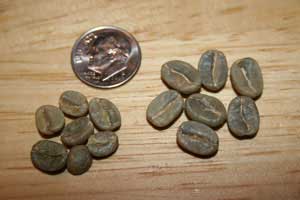
The concept of Fine Coffee Specialty Coffee (1) the third Wave of Coffee Culture and History in the World
The traditional classification of coffee beans is usually based on the classification criteria defined by the coffee producing countries, and then agreed to become common in the international market and traded under such a tacit understanding. For a long time, coffee producing countries have their own classification and evaluation criteria for coffee, which serve as the pricing guidelines in the coffee market. But slowly in recent years, coffee consuming countries have begun to demand unified evaluation criteria.
2016-01-23 Boutique Coffee Specialty concept World No.
Coffee common sense African coffee producing countries
1. Kenya Kenya grows high-quality Arabica coffee beans, which absorb almost the essence of coffee cherries, with a slightly sour, thick aroma, and are very popular among Europeans, especially in the United Kingdom. Kenyan coffee surpassed Costa Rican coffee and became one of the most popular coffee. With aromas of wine and flowers, the texture is full, small and round, because
2014-10-23 Coffee knowledge coffee common sense African coffee producing countries
Analysis on the Market Price of Coffee beans the main factors affecting the price of coffee beans
Coffee futures trade coffee beans, and futures are both an investment and an increase in coffee. The increase in coffee lies not only in the origin, good or bad, but also for many piecemeal reasons. In the coffee futures market, the main factors affecting the price of coffee beans can be summarized as follows: 1. Changes in supply: supply and demand have a certain impact on prices, changes in supply
2015-09-02 Coffee beans market prices analysis impact prices main factors coffee futures